Wounded Healers Project
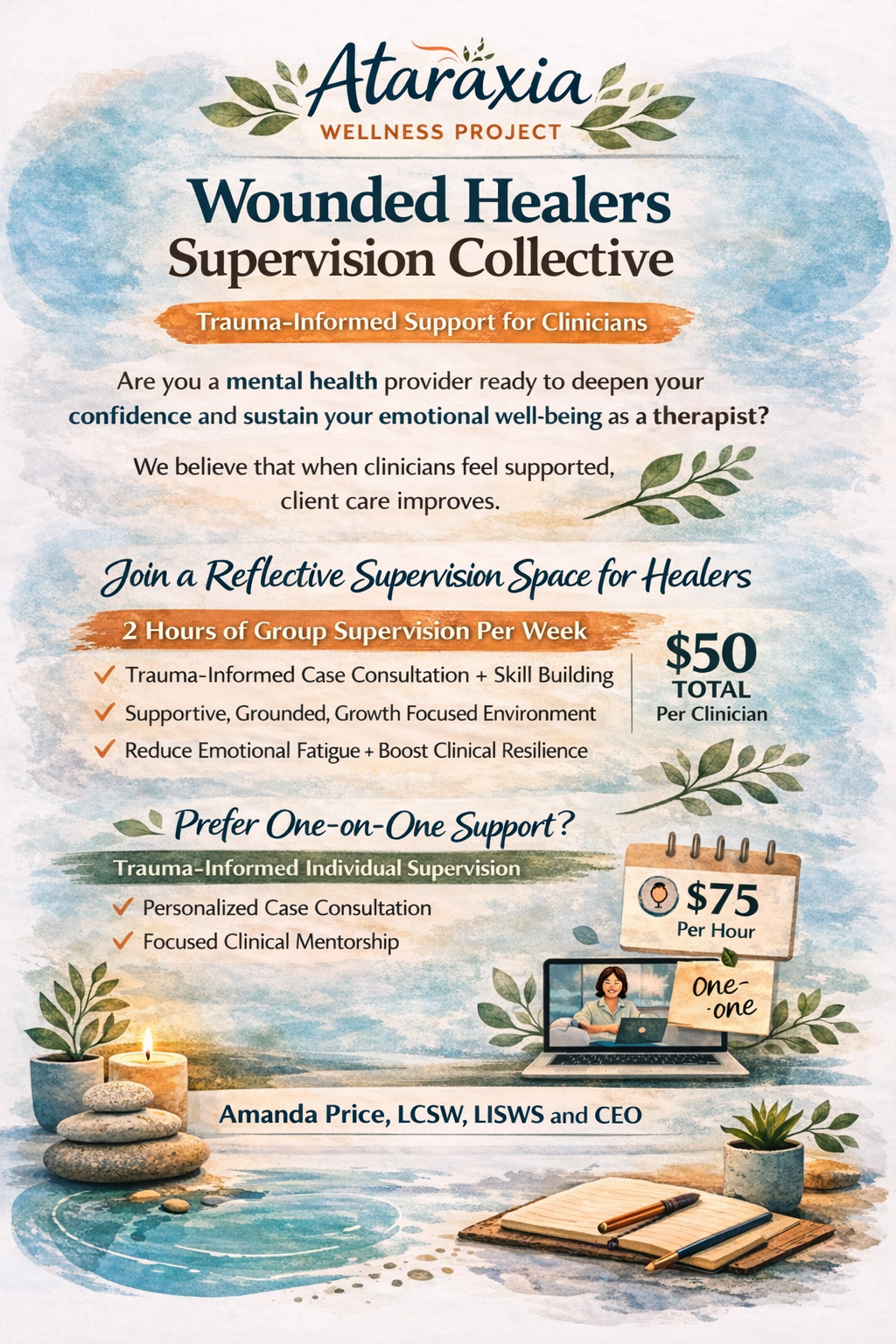
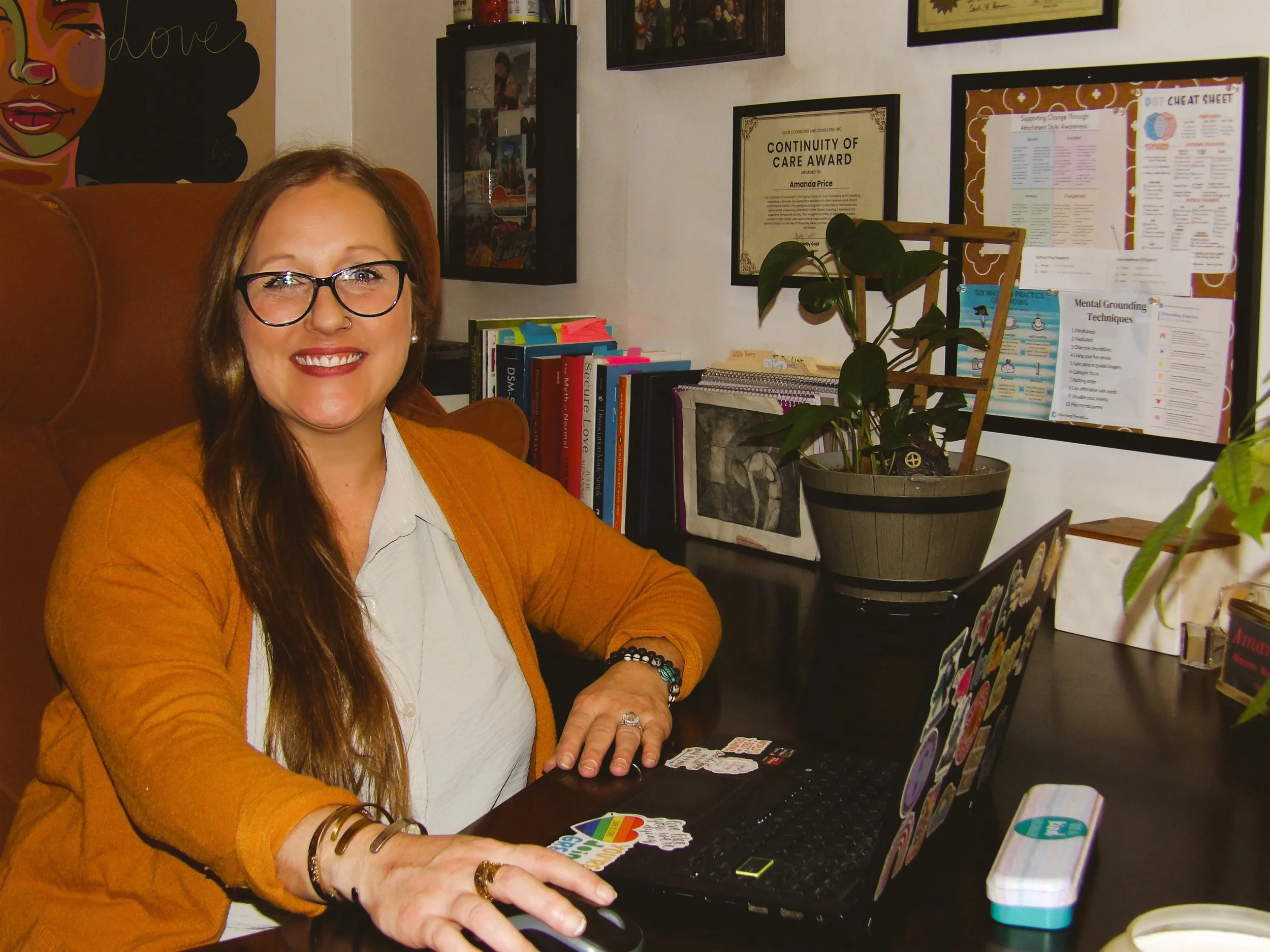
“Amanda was one of the most supportive supervisors that I have worked with. She was flexible with me and the constant changes in schedule. Whether we met over the phone, or virtually, she was always able and willing to meet me where I was. Amanda was knowledgeable in clinical skills, approaches, and therapeutic modalities, and her teaching were creative. She would draw informational diagrams, provide me with Youtube links, and would even lay on the floor to show diaphragmatic breathing if she had to! Not only did she sew into me clinically, she also provided me a warm and open space to discuss any challenges that I was having not only as a clinician, but in my personal life as well.
It is not often that one comes across an individual with an authentic and warm spirit or a supervisor that actually cares about helping junior clinicians be the best therapeutic providers that they can be. So many of Amanda’s lessons/teaching, conversations, and sayings have stuck with me as I continue to assist clients. She was truly a blessing to me in our time working together and I am tremendously grateful for her supervision and leadership!”
Visit Zoc Doc for client reviews.
Wounded Healer Framework
The Wounded Healer Framework is a trauma-informed supervision and professional development model designed to help clinicians explore how their lived experiences, wounds, survival adaptations, and healing journeys influence their work with clients, systems, and themselves. The framework honors that wounded healers often bring deep empathy, intuition, advocacy, and relational depth to the field, while also needing intentional support around boundaries, self-awareness, nervous system regulation, and sustainable practice.
Core Belief
Our wounds do not disqualify us from healing work.
They call us into deeper self-awareness, responsibility, and intentional practice.
Purpose
To support clinicians in:
increasing self-awareness
recognizing how personal history shows up in professional roles
strengthening ethical and boundaries practice
reducing burnout, compassion fatigue, and reenactment patterns
building a more regulated, sustainable, and values-aligned clinical identity